A Homeowner’s Guide To Tree Mulching And Soil Health
General
 4 weeks ago
Healthy trees start below the surface. While trimming, watering, and removing damaged branches all play important roles in tree care, the condition of the soil around your trees can make a major difference in their long-term health.
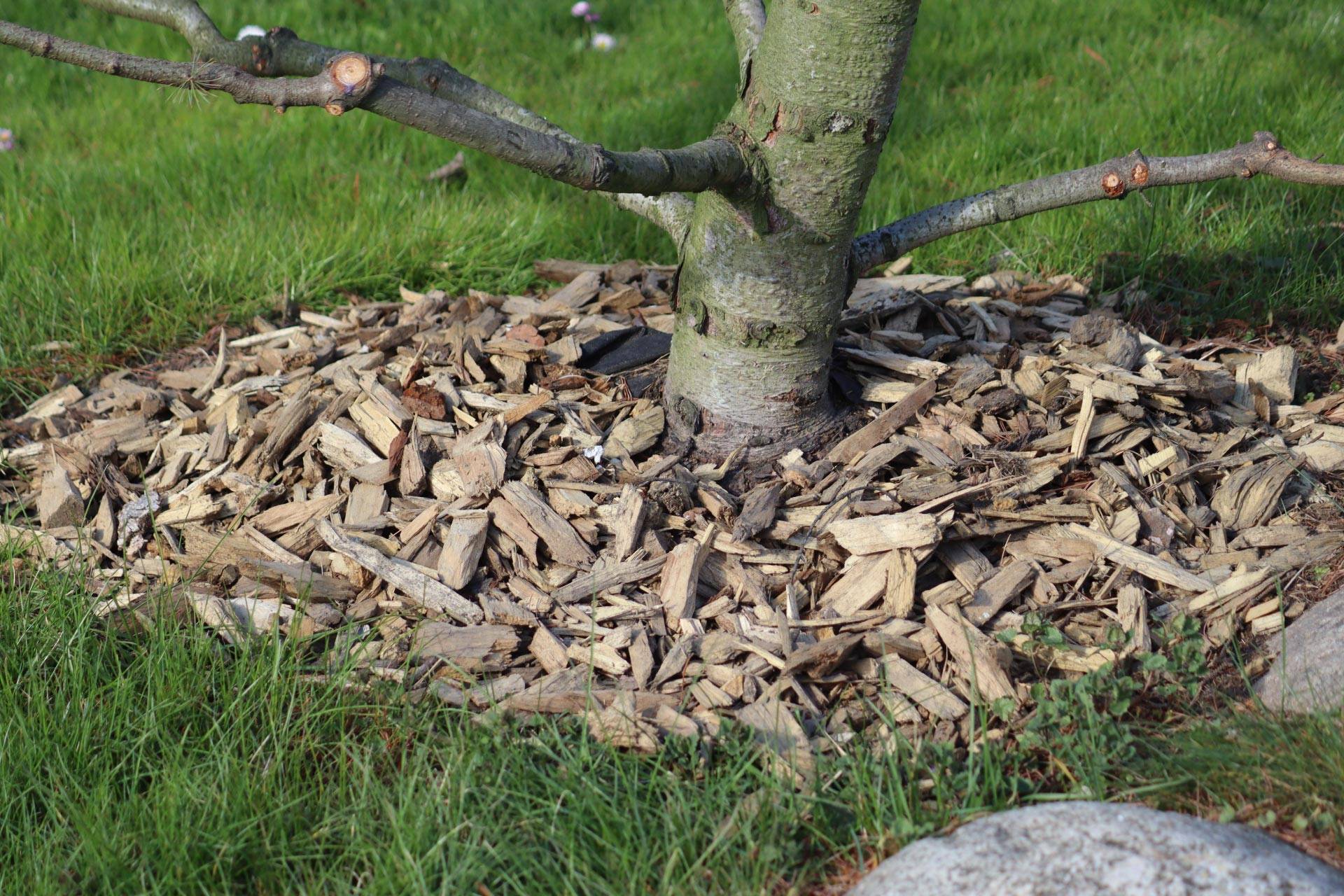
One of the easiest ways homeowners can support healthier soil is through tree mulching. When you apply mulch correctly, it helps protect roots, conserve moisture, and create better growing conditions. However, using too much mulch or placing it incorrectly can cause problems.
Here’s what you need to know to give your trees a healthier foundation.
Why Is Mulch Good For Trees?
Mulch creates a protective layer over the soil surrounding a tree. In a natural wooded environment, fallen leaves, bark, and other organic materials perform a similar job. These benefits make tree mulching a simple but valuable part of routine tree care.
In your yard, properly applied mulch can provide several benefits:
- Helps soil retain moisture during hot, dry weather
- Reduces competition from grass and weeds
- Helps regulate soil temperatures
- Protects roots from lawn equipment
- Adds organic material to the soil as natural mulch decomposes
- Supports beneficial soil organisms
Mulch Supports Healthy Soil
Your tree depends on its roots for water, nutrients, oxygen, and stability. Those roots need healthy soil to do their job.
Organic mulch, such as wood chips or shredded bark, gradually breaks down and adds organic matter to the soil. This process can improve soil structure and create an environment that supports worms, fungi, and other organisms that contribute to healthy soil.
Mulch also reduces moisture loss from the soil. That can prove especially helpful during Northeast Indiana’s warmer summer months, when periods of heat and limited rainfall can stress trees.
How Much Mulch Should You Use Around A Tree?
More mulch doesn’t mean better results. In most cases, homeowners should aim for a layer about 2 to 4 inches deep.
Spread the mulch outward around the tree to cover as much of the root zone as practical. A wider mulch bed can reduce competition from turfgrass while protecting surface roots from lawn mowers and string trimmers.
Most importantly, don’t pile mulch directly against the trunk.
Avoid The “Mulch Volcano”
You’ve probably seen trees surrounded by tall piles of mulch that slope upward against the trunk. This practice, sometimes called volcano mulching, can harm a tree instead of helping it.
Mulch piled against the trunk can trap excess moisture around the bark and create conditions that encourage decay, disease, or pest activity. It can also cause roots to grow into the mulch rather than into the surrounding soil.
For healthier tree mulching, keep mulch a few inches away from the trunk so you can still see the tree’s root flare, where the trunk widens as it meets the ground.
Don’t Forget About The Bigger Picture
Mulching can improve growing conditions, but it can’t solve every tree health problem. Compacted soil, poor drainage, damaged roots, disease, structural problems, or dead branches may require additional attention. Addressing problems early can help protect your trees, home, and surrounding landscape.
Keep an eye on your trees and watch for warning signs such as:
- Thinning or discolored leaves
- Dead or falling branches
- Mushrooms or decay near the trunk
- Exposed or damaged roots
- Cracks or cavities in the trunk
- Noticeable leaning or structural changes
Give Your Trees The Care They Need
Proper tree mulching and healthy soil can give your trees a strong foundation, but some tree care jobs require professional experience.
Beaver Dam Tree Service provides tree trimming, removal, cabling, stump grinding, and storm assistance throughout Kosciusko County and Northeast Indiana, including Warsaw, Syracuse, North Webster, Winona Lake, Leesburg, and Pierceton.
If you’re concerned about the health or safety of a tree on your property, give Beaver Dam Tree Service a call at 574.376.5525 to discuss your tree care needs and request a free estimate.
Frequently Asked Questions
What is the best type of mulch to put around trees?
Organic materials such as wood chips and shredded bark work well because they protect the soil while gradually adding organic matter as they decompose.
How deep should mulch be around a tree?
Aim for approximately 2 to 4 inches of mulch. Avoid creating a deep pile that can hold too much moisture around the tree.
Should mulch touch the tree trunk?
No. Keep mulch a few inches away from the trunk and avoid covering the tree’s root flare.
How often should I replace tree mulch?
Check your mulch each year. You may only need to add enough fresh material to maintain the proper depth rather than completely replacing the existing mulch.
Can mulch save an unhealthy tree?
Mulch can improve soil conditions and reduce environmental stress, but it can’t correct every problem. If you notice dead branches, decay, structural damage, or other concerning changes, contact a professional tree service for guidance.
About: Beaver Dam Tree Service
You May Be Interested In:


Get Your Tree Removal or Other Tree Services Rolling
Explore our range of services and get in touch for a free estimate – let Beaver Dam Tree Service ensure the longevity and beauty of your lawn and surrounding landscapes.


