How Overgrown Trees Affect Your Roof And Gutters
General
 2 months ago
Big, mature trees add shade, character, and natural beauty to your property. But when branches start creeping toward your roof, that beautiful tree can become a problem for your home.

Overgrown trees can damage shingles, clog gutters, trap moisture, and increase the risk of storm damage. Keeping branches properly trimmed helps protect your home while also supporting healthier, stronger trees.
Here’s why keeping an eye on the trees around your roof matters.
Branches Can Damage Your Roof
A branch doesn’t have to fall on your house to cause damage. Limbs that hang directly over or touch your roof can scrape against shingles when the wind blows.
Over time, that constant contact can wear down roofing materials. Larger limbs can cause even more trouble during strong winds, heavy rain, ice, or snow.
Watch for branches that:
- Touch or rest on the roof
- Hang directly above the house
- Look dead, cracked, or damaged
- Sway close to the roof during windy weather
- Have grown significantly since their last trimming
Addressing these problems early can help you avoid more serious property damage later.
Leaves And Debris Can Clog Your Gutters
Your gutters need a clear path to move rainwater away from your roof and foundation. Overgrown trees can make that job much harder.
Leaves, twigs, seeds, and other tree debris can quickly collect in gutters, especially when branches hang directly above your home. Once debris creates a blockage, rainwater may overflow instead of moving through the downspouts.
Clogged gutters can contribute to several problems around your home, including:
- Water spilling over the sides of gutters
- Moisture collecting near the roofline
- Water pooling around your foundation
- Sagging or damaged gutter sections
- More frequent gutter cleaning
Trimming nearby branches won’t eliminate every leaf from your gutters, but it can reduce the amount of debris that falls directly onto your roof.
Too Much Shade Can Trap Moisture
Shade feels great on a hot summer afternoon, but your roof also needs opportunities to dry after rain, snow, and morning dew.
Dense branches can block sunlight and restrict airflow around your roof. When moisture sticks around, your roofing materials may stay damp longer than they should.
Strategic tree trimming can open up crowded areas of the canopy, improve airflow, and allow more sunlight to reach your home. It can also help the tree itself by removing dead, diseased, or damaged branches and encouraging stronger growth.
Storms Can Turn Weak Branches Into Hazards
Northern Indiana gets its share of strong winds, thunderstorms, ice, and heavy snow. Those conditions can put significant stress on trees.
An overgrown canopy can create extra weight and wind resistance during severe weather. Weak, dead, or damaged limbs may break under that pressure and land on your roof, gutters, vehicles, or other parts of your property.
Regular trimming can help:
- Remove dead and damaged branches
- Reduce unnecessary weight in the canopy
- Improve the tree’s structure
- Increase airflow through dense branches
- Lower the risk of falling limbs
You can’t prevent every storm-related problem, but routine tree maintenance can help your trees handle harsh weather more effectively.
Don’t Wait Until Branches Reach Your Roof!
It’s much easier to address overgrown trees before branches start scraping shingles, filling gutters, or threatening your home during the next storm.
Professional trimming also requires more than cutting off whichever branches look inconvenient. Proper trimming considers the health, structure, and long-term growth of the tree while protecting the property around it.
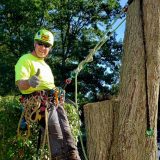
Beaver Dam Tree Service uses professional climbing and rigging techniques to handle difficult and hard-to-reach trees while minimizing damage to lawns and surrounding landscaping.
Are your trees getting too close to your home? Contact Beaver Dam Tree Service today for a free estimate and let our experienced crew help keep your trees healthy and your property protected.
Frequently Asked Questions
How close should tree branches be to my roof?
Branches shouldn’t touch or scrape your roof. If limbs hang over your home or move close to the roof during windy conditions, have a tree care professional evaluate them.
Do tree branches actually damage shingles?
Yes. Branches can scrape against shingles as they move in the wind. Larger branches can also cause significant damage if they break and fall during a storm.
Will trimming my trees help keep my gutters clean?
Trimming branches away from the roof can reduce the amount of leaves, twigs, and other debris that falls directly into your gutters. You’ll still need to do routine gutter maintenance or install gutter covers to protect your gutters.
When should I trim overgrown trees near my house?
Don’t wait for a branch to fall or cause visible damage. If you notice dead limbs, crowded growth, branches touching structures, or limbs hanging dangerously over your home, contact a professional tree service for an evaluation.
Should I trim branches over my roof myself?
Tree trimming near a house can involve significant fall risks and the possibility of damaging your roof or property. A professional tree service has the training and equipment to control branches safely, especially when working with large or difficult trees.
About: Beaver Dam Tree Service
You May Be Interested In:
Why Winter Is A Great Time For Tree Pruning
2 weeks ago by Beaver Dam Tree Service

How To Prepare Your Trees For Heavy Spring And Summer Rain
7 months ago by Beaver Dam Tree Service

The Importance Of Removing Deadwood For Healthier Trees
9 months ago by Beaver Dam Tree Service

How to Safely Remove Fallen Branches After Winter Storms
12 months ago by Beaver Dam Tree Service
Get Your Tree Removal or Other Tree Services Rolling
Explore our range of services and get in touch for a free estimate – let Beaver Dam Tree Service ensure the longevity and beauty of your lawn and surrounding landscapes.


