Why Winter Is A Great Time For Tree Pruning
General
 3 hours ago
When winter arrives in Northern Indiana, tree care probably isn’t the first outdoor project on your mind. Your trees have lost their leaves, growth has slowed, and spring can feel a long way off.
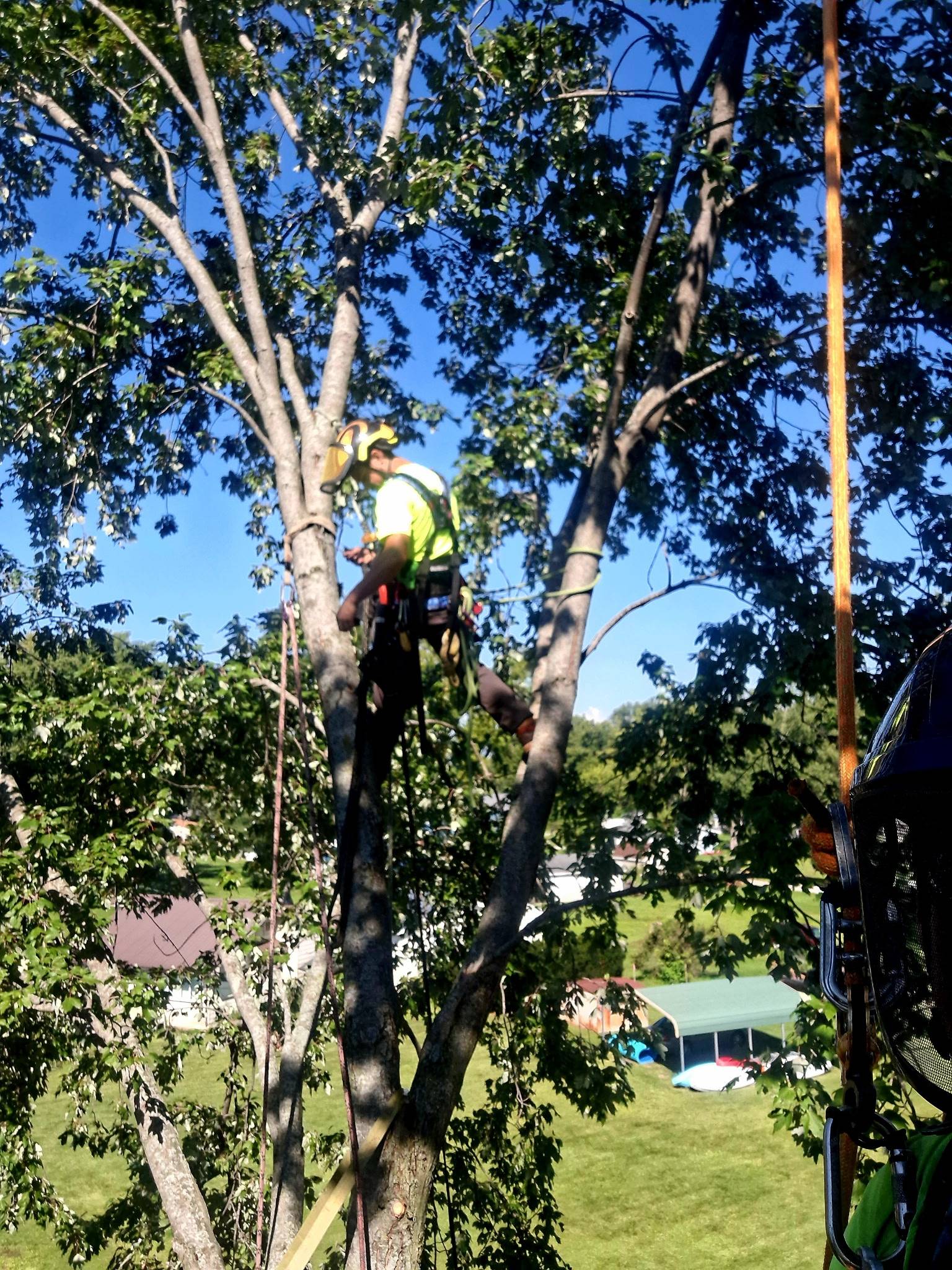
But that quiet season can provide a great opportunity to give your trees some attention.
For many trees, winter tree pruning can support healthier growth, improve structure, and remove potentially hazardous branches before spring and summer storms arrive. Here’s why you shouldn’t automatically put tree trimming on hold when temperatures drop!
Dormant Trees Make Pruning Easier
Many deciduous trees enter dormancy during the winter. Without a full canopy of leaves, it’s easier to see the tree’s structure and identify branches that need attention.
A tree care professional can get a clearer look at:
- Dead or damaged limbs
- Branches that cross or rub together
- Weak branch connections
- Overgrown areas
- Structural problems within the canopy
- Limbs growing too close to structures
That visibility helps professionals make strategic cuts based on the tree’s health and structure instead of simply trimming branches to change its appearance.
Pruning Can Prepare Trees for Healthy Spring Growth
When spring arrives, your trees will start putting energy into new growth. Removing unnecessary or damaged branches beforehand can help the tree focus its resources on healthy limbs.
Proper winter tree pruning can also improve the tree’s overall structure, allowing sunlight and air to move through the canopy more effectively once leaves return.
That doesn’t mean you should remove as many branches as possible. Over-pruning can stress a tree and create new problems. The goal is to selectively remove the branches that affect the tree’s health, safety, or structure.
Winter Makes Problem Branches Easier To Spot
Leaves can hide a lot.
Once they’re gone, cracks, deadwood, broken limbs, and unusual growth patterns may become easier to identify. Catching those issues gives you an opportunity to address them before heavy spring growth hides them again.
Pay attention to branches that:
- Look cracked or split
- Hang over your home, driveway, or other structures
- Appear dead or damaged
- Cross or rub against other branches
- Show signs of disease or decay
If you’re unsure about a branch, don’t start cutting. A professional can evaluate the tree and determine whether pruning, cabling, or another solution makes the most sense.
Pruning Can Reduce Risks From Severe Weather
Anyone who lives in Northern Indiana knows our weather can keep things interesting!
Snow and ice can put extra weight on already weak branches during winter. Then spring and summer can bring thunderstorms and strong winds.
Winter tree pruning gives you a chance to address vulnerable branches before the next round of severe weather. Removing dead, damaged, or structurally weak limbs can reduce the risk of branches breaking and damaging your home, vehicles, landscaping, or other areas of your property.
Pruning can’t prevent every storm-related problem or emergency, but maintaining healthy tree structure can help your trees handle harsh weather more effectively.
Not Every Tree Should Follow The Same Pruning Schedule
Winter can provide an excellent pruning window for many trees, but tree care isn’t one-size-fits-all.
The ideal timing depends on the tree species, its age, its health, and what you’re trying to accomplish. Some trees may benefit from pruning at another point in the year.
That’s one reason professional tree care matters. An experienced crew can evaluate the individual tree and recommend when and how to prune it.
And if you’re dealing with large or high-reaching branches, leave the chainsaw in the garage. Working at height around heavy limbs requires the right equipment, training, and experience.
Plan Your Tree Care Before Spring Arrives
You don’t have to wait for green leaves to start thinking about healthy trees.
Scheduling winter tree pruning can help you address problem branches, improve tree structure, and prepare your landscape for the growing season ahead.
Beaver Dam Tree Service has provided professional tree care throughout Kosciusko County since 2004. Our family-owned team uses expert climbing and rigging techniques to care for your trees while protecting your lawn and surrounding property.
Contact Beaver Dam Tree Service today for a free estimate and find out if your trees could benefit from professional pruning this winter.
Frequently Asked Questions
Is winter a good time to prune trees?
Yes, winter can be a great time to prune many deciduous trees. Without leaves blocking the view, professionals can clearly evaluate the tree’s structure and identify dead, damaged, or problematic branches.
What are the benefits of pruning trees in winter?
Pruning can remove weak or damaged branches, improve tree structure, prepare the tree for healthy spring growth, and reduce risks associated with falling limbs.
Can I prune my own trees during winter?
Homeowners may handle some small, easily accessible branches, but large limbs and branches high in the canopy can create serious safety risks. Call a professional when the job requires climbing, specialized equipment, or work near homes and other structures.
Does winter tree pruning help prevent storm damage?
Proper pruning can reduce the risk that dead, damaged, or weak branches will break during snow, ice, high winds, and storms. However, no pruning method can make a tree completely storm-proof.
How do I know if my tree needs professional pruning?
Look for dead limbs, cracks, crossing branches, damaged areas, overgrowth, or branches hanging near your home or other structures. If you aren’t sure what your tree needs, a professional assessment can help you choose the right approach.
About: Beaver Dam Tree Service
You May Be Interested In:

How Overgrown Trees Affect Your Roof And Gutters
2 months ago by Beaver Dam Tree Service

How To Prepare Your Trees For Heavy Spring And Summer Rain
7 months ago by Beaver Dam Tree Service

The Importance Of Removing Deadwood For Healthier Trees
9 months ago by Beaver Dam Tree Service

How to Safely Remove Fallen Branches After Winter Storms
11 months ago by Beaver Dam Tree Service
Get Your Tree Removal or Other Tree Services Rolling
Explore our range of services and get in touch for a free estimate – let Beaver Dam Tree Service ensure the longevity and beauty of your lawn and surrounding landscapes.


